When Hope Remains
Description
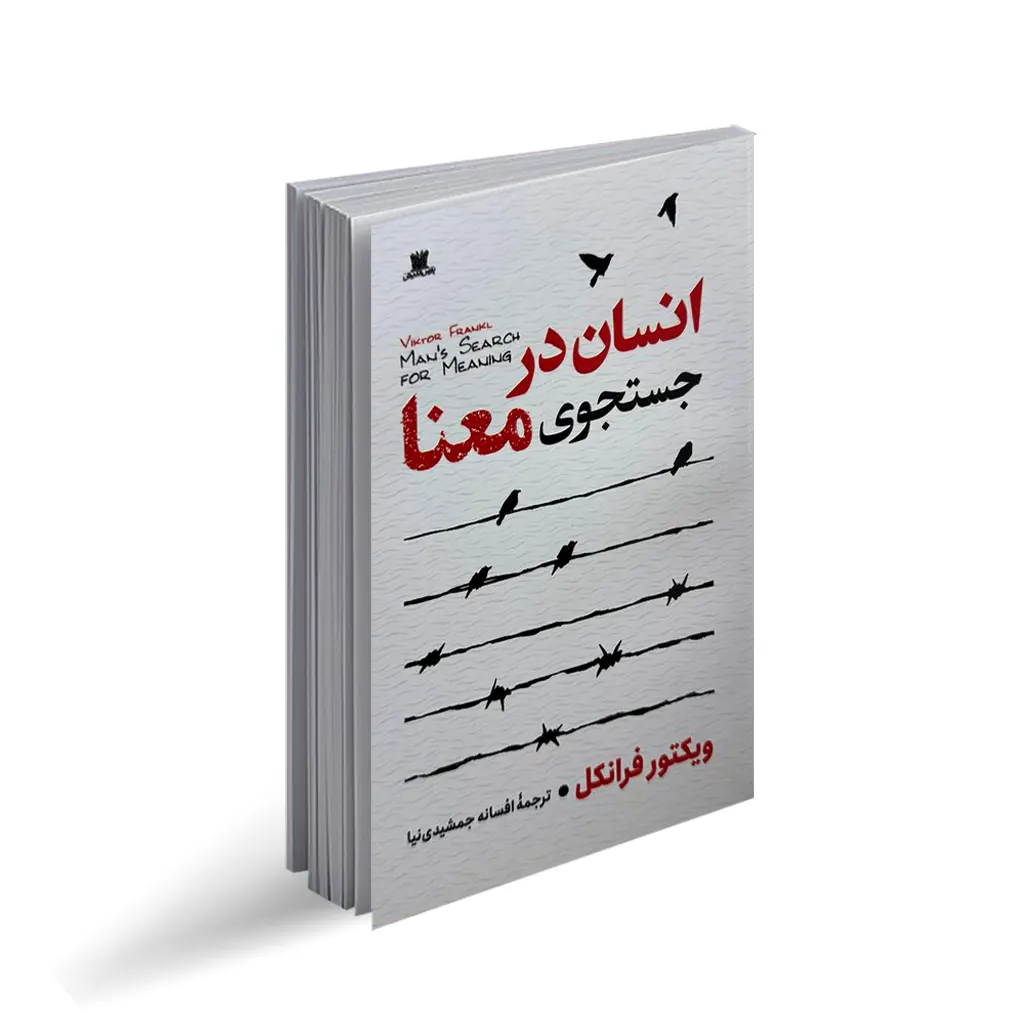
Man’s Search for Meaning was one of the most meaningful reading experiences for me. When I started reading it, I thought it was only a historical story about concentration camps, but I soon realized that this book is much more than history; it is a guide for life. Viktor Frankl, a psychiatrist and the founder of logotherapy, describes his experiences as a prisoner in Nazi concentration camps. He shows that even when almost everything is taken away from a person, they can still find meaning in life.
While reading the book, I often asked myself, “If I were in his place, would I be able to keep my hope?” This was a serious question for me because I also face difficulties in my life, such as limited educational opportunities and difficult social conditions. Sometimes I feel that continuing is very hard. But when I saw that Frankl was able to find meaning in much harder circumstances, it gave me hope that I can also continue.
One of the most important ideas in the book was: “He who has a why to live can bear almost any how.” This sentence was like a key for me. I understood that I need to find my own “why” in life. For me, this could be my dream of becoming a doctor, helping people, or supporting my family. When I have a clear purpose, even difficulties become easier to tolerate.
The book also taught me that a person’s real freedom can be found in their attitude. Even when everything is taken away from a person, they can still choose how to respond to their situation. This idea was very valuable to me because in everyday life, we cannot always change our circumstances, but we can change our attitude toward them. This made me pay more attention to my thoughts and actions and try to have a more positive mindset.
In some parts of the book, Frankl explains that when people find meaning in their suffering, they can endure it more easily. This idea was very important to me. Sometimes I see problems only as obstacles, but now I have learned that I can also see them as part of my journey. For example, when studying becomes difficult, if I remember my goal, it becomes easier to continue.
The book also created many questions in my mind. For example, can every person find meaning in the hardest situations? Is the meaning of life different for each person? These questions made me think more deeply about life and even discuss them with my friends.
Emotionally, the book was very powerful for me. When I read about the experiences in the concentration camps, I felt sad, and sometimes I had tears in my eyes. But at the same time, the hope Frankl talked about gave me comfort. This combination of sadness and hope made the book feel more real and human to me.
At the end of the book, I felt that it was not only a historical story but also a guide for our lives today. I learned that I should always look for meaning, even in the small things I do every day. For example, when I study, I should know why I am doing it and what goal is behind my effort. This way of thinking makes my efforts feel more valuable.
I also understood that the meaning of life is different for everyone. For one person, it may be love; for another, it may be work or serving others. What matters is that each person finds their own meaning. This freedom to choose meaning gives a person strength and hope.
While reading the book, I often asked myself, “If I were in his place, would I be able to keep my hope?” This was a serious question for me because I also face difficulties in my life, such as limited educational opportunities and difficult social conditions. Sometimes I feel that continuing is very hard. But when I saw that Frankl was able to find meaning in much harder circumstances, it gave me hope that I can also continue.
One of the most important ideas in the book was: “He who has a why to live can bear almost any how.” This sentence was like a key for me. I understood that I need to find my own “why” in life. For me, this could be my dream of becoming a doctor, helping people, or supporting my family. When I have a clear purpose, even difficulties become easier to tolerate.
The book also taught me that a person’s real freedom can be found in their attitude. Even when everything is taken away from a person, they can still choose how to respond to their situation. This idea was very valuable to me because in everyday life, we cannot always change our circumstances, but we can change our attitude toward them. This made me pay more attention to my thoughts and actions and try to have a more positive mindset.
In some parts of the book, Frankl explains that when people find meaning in their suffering, they can endure it more easily. This idea was very important to me. Sometimes I see problems only as obstacles, but now I have learned that I can also see them as part of my journey. For example, when studying becomes difficult, if I remember my goal, it becomes easier to continue.
The book also created many questions in my mind. For example, can every person find meaning in the hardest situations? Is the meaning of life different for each person? These questions made me think more deeply about life and even discuss them with my friends.
Emotionally, the book was very powerful for me. When I read about the experiences in the concentration camps, I felt sad, and sometimes I had tears in my eyes. But at the same time, the hope Frankl talked about gave me comfort. This combination of sadness and hope made the book feel more real and human to me.
At the end of the book, I felt that it was not only a historical story but also a guide for our lives today. I learned that I should always look for meaning, even in the small things I do every day. For example, when I study, I should know why I am doing it and what goal is behind my effort. This way of thinking makes my efforts feel more valuable.
I also understood that the meaning of life is different for everyone. For one person, it may be love; for another, it may be work or serving others. What matters is that each person finds their own meaning. This freedom to choose meaning gives a person strength and hope.
